
Digestive Health (GI & Liver)
Comprehensive care for digestive, liver, and gastrointestinal conditions, including advanced diagnostic and procedural services.
Our Gastroenterology and Hepatology experts provide consultative services for those with chronic digestive problems and chronic liver disease and other liver disorders. Our highly-trained specialists can address everything from common GI conditions like GERD, ulcers, diverticulosis, pancreatitis, and irritable bowel disease, to more complicated illnesses related to viral hepatitis, cirrhosis and end-stage liver disease.
Conditions We Treat
The conditions we address include:
- Chronic constipation
- Blood in the stool
- Chronic abdominal pain
- Chronic diarrhea
- Diverticulosis
- Pancreatitis
- Irritable Bowel Disease (IBD)
- Gastroesophageal reflux disease (GERD)
- Peptic ulcer (stomach ulcer)
- Alcoholic liver disease
- Autoimmune liver disease
- Autoimmune hepatitis
- Cirrhosis
- Elevated liver enzymes
- Fatty liver disease
- Liver cancer (hepatocellular carcinoma)
- Primary biliary cholangitis (PGB)
- Primary sclerosing cholangitis (PSC)
Tests, Treatments & Services
Our Digestive Health team provides diagnostic, procedural, and ongoing care for a wide range of gastrointestinal conditions.
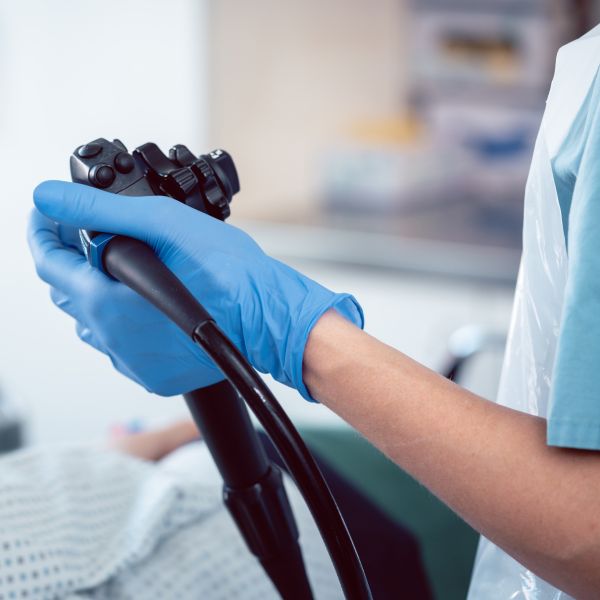
Colonoscopy Screening & Prevention
A colonoscopy is one of the most effective tools for detecting colorectal cancer early — often before symptoms appear. During the procedure, a provider examines the colon to identify and remove polyps or evaluate the cause of digestive symptoms such as bleeding, abdominal pain, or changes in bowel habits.
Routine screening colonoscopies are recommended for many adults beginning at age 45, though some patients may need earlier or more frequent screening based on personal or family history. Your provider can help determine when screening is appropriate for you.

Preparing for Your Procedure
Knowing what to expect before and after your procedure can help reduce stress and support a smooth recovery. Our team provides clear instructions to help you prepare, including guidance on medications, fasting, arrival times, and post-procedure care.
For your safety, most procedures require that you have a designated adult available to drive you home and stay with you after discharge. Detailed instructions will be reviewed with you in advance and again on the day of your visit.

Crohn’s Disease & Inflammatory Bowel Disease (IBD)
Inflammatory bowel disease (IBD) refers to chronic conditions that cause inflammation in the digestive tract, including Crohn’s disease and ulcerative colitis. These conditions can affect people differently and often require long-term management and coordinated care.
Our Digestive Health team works with patients to evaluate symptoms, manage flare-ups, and support ongoing digestive health through individualized care plans. We also help patients understand how preventive screenings and routine monitoring play a role in long-term wellness.
Frequently Asked Questions
When should I get a colonoscopy?
Many adults should begin routine colonoscopy screening at age 45. Some patients may need earlier or more frequent screening based on personal or family history, symptoms, or other risk factors. Your provider can help determine what’s right for you.
Do I need a referral to see a gastroenterologist?
That depends on your insurance plan. Some plans require a referral from a primary care provider, while others allow you to schedule directly. Our team can help you understand your coverage.
How do I prepare for a colonoscopy or endoscopy?
Preparation instructions vary by procedure. You will receive detailed guidance from our care team before your appointment, including instructions about medications, fasting, and arrival time. A preparation guide is also available on this page.
Where are digestive health procedures performed?
Digestive health procedures are performed at Nashville General Hospital locations based on the type of care you need. Our team will provide specific location and arrival instructions when your procedure is scheduled.
How do I schedule a digestive health appointment?
To schedule an appointment, call our office directly or ask your primary care provider for assistance. Our team will help coordinate your visit and answer any questions about next steps.
What insurance plans are accepted?
We accept most major insurance plans, including Metro employee health plans. For questions about coverage, visit our Billing & Insurance page or call 615-341-4968.

Nashville Healthcare Specialty Pharmacy
Managing complex or specialty medications can feel overwhelming. As part of the Nashville General Hospital family, our Specialty Pharmacy team works closely with your providers to coordinate prescriptions, prior authorizations, insurance approvals, and delivery — all in one place. Our team supports patients receiving advanced therapies for digestive and liver conditions, including specialty biologic medications.
Locations
Digestive Health Main Campus
Digestive Health MetroCenter
Providers
Providers


Related Articles
Related Articles

A powerful film about one man's stage 4 colon cancer diagnosis — one that screening could have caught earlier — sparked an important conversation right here in Nashville. Nashville General Hospital was there for it.

Colorectal cancer is preventable — and a simple blood test at Nashville General Hospital is making it easier than ever to get screened.

As Dry January comes to a close, Nashville General Hospital is helping the community better understand how even a short break from alcohol can lead to meaningful health improvements.

April is IBS Awareness Month — and Nashville's favorite morning show just made gut health the talk of the town.
 Celiac disease is triggered by eating foods containing gluten and can damage the small intestine.
A basic understanding of GERD can help you get a grip on this uncomfortable problem. Learn the answers to some common questions you may have about GERD.
-
With certain lifestyle changes you may be able to better manage irritable bowel syndrome (IBS).

Your liver is one of your body's most important vital organs. If you want your liver to function at its best, learn these key facts about this organ.
 Even if you are feeling well, you should schedule an annual physical exam with your doctor.
Concerned about liver disease? This quick guide can help you understand non-alcoholic fatty liver disease, diagnoses and treatment.
 A good night’s sleep is one of the easiest ways to prepare for and recover from surgery. Sleep can help you stay healthy and your body heal.