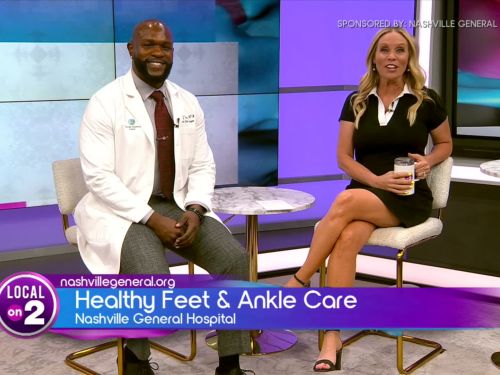
Foot and Ankle Care

Expert podiatric care for every step — from everyday foot pain to complex reconstructive surgery.

At Nashville General Hospital, our physicians and surgeons provide comprehensive care for conditions affecting the foot, ankle, and lower extremity. We treat everything from heel pain, bunions, hammertoes, and sports injuries to diabetic wounds, fractures, and reconstructive foot and ankle conditions. Our team offers both non-surgical and surgical treatment options, with personalized care plans designed around each patient's mobility goals, lifestyle, and long-term health. 

Patients are seen at our Main Campus and Bordeaux locations, expanding access to specialized foot and ankle care across Nashville.

Conditions We Treat

Advanced Diabetic Care

  • Diabetic Foot Care
  • Neuropathy
  • Infections
  • Ulcers
  • Limb Salvage

Pain & Inflammation

  • Plantar Fasciitis (Heel Pain)
  • Arthritis
  • Gout
  • Morton's Neuroma
  • Sinus Tarsi Syndrome
  • Tarsal Tunnel Syndrome
  • Achilles Tendonitis
  • Posterior Tibial Tendonitis
  • Peroneal Tendonitis

Structural & Deformity Correction

  • Bunions
  • Hammertoes
  • Flatfoot (Fallen Arches)
  • Cavus Foot (High Arches)
  • Heel Spurs

Injury & Trauma

  • Ankle Fractures
  • Ankle Sprains
  • Achilles Tears or Ruptures
  • Toe Fractures
  • Tendon Tears
  • Stress Fractures
  • Sports-Related Injuries

Wound Care

  • Non-Healing Wounds
  • Foot Infections
  • Abscess
  • Insect Bites
  • Diabetic Ulcers
  • Pressure Ulcers
  • Arterial and Venous Ulcers

Skin, Nail & Routine Care

  • Ingrown Toenails
  • Fungal Toenails
  • Plantar Warts
  • Corns/Calluses

Tests, Treatments & Services

Our podiatric team offers a full range of non-surgical and surgical treatments to address foot and ankle conditions at every stage.

Diabetic Foot Care

Routine diabetic foot exams, ulcer prevention, infection management, wound care, and limb-preservation services focused on reducing complications.

Conservative Care

Orthotics, bracing, injections, shoe modifications, immobilization, and personalized treatment plans designed to relieve pain and improve mobility through non-surgical care.

Reconstructive Surgery

Surgical treatment for bunions, hammertoes, fractures, tendon injuries, deformities, and other foot and ankle conditions when conservative treatment is unsuccessful.

Sports Medicine & Injury Recovery

Evaluation and treatment of sports injuries, sprains, fractures, tendonitis, and overuse conditions.

Advanced Wound Care

Treatment for non-healing wounds using debridement, offloading, wound vac therapy, and advanced wound management techniques.

Routine Podiatric Care

Toenail care, ingrown toenails, fungal infections, calluses, corns, and preventive foot health services.

When to Seek Immediate Care

Some foot and ankle symptoms need urgent attention — especially for patients managing diabetes or recovering from injury. Seek immediate medical attention if you have:

  • A rapidly worsening foot wound
  • A diabetic wound that is draining or worsening
  • Redness spreading up the foot or leg
  • Fever with a foot infection
  • Sudden inability to walk
  • Severe swelling after an injury
  • Blackened skin or tissue

If symptoms are severe or you cannot reach your provider, call 911 or visit the nearest emergency department.

Find the Emergency Department
model of a foot, photo by Alan Calvert alancalvert

Bunions & Hammertoes: Relief Is Possible

A bunion is a bony bump that forms at the base of the big toe, often causing pain, swelling, and difficulty wearing shoes. Hammertoes — the curling of one or more toes — can create similar discomfort and may lead to corns, pressure sores, or difficulty walking. Both conditions can often be managed with wider shoes, orthotics, or padding in earlier stages. When pain persists or limits daily activity, surgery may be the right next step. Our surgeons offer traditional and minimally invasive options, so you can get back to moving comfortably with minimal scarring.

physician examining foot

Diabetic Foot Care: Protecting Your Mobility

Patients living with diabetes face a higher risk of foot infections, slow-healing wounds, and complications that can affect mobility. Our team partners with you on prevention, early detection, and limb-preservation care — including routine foot exams, neuropathy screening, and advanced wound management.

⚑ Red flags — call your provider today if you notice:

  • Redness, warmth, or swelling around a foot wound
  • A sore or blister that won't heal
  • Drainage, pus, or a bad smell from a wound
  • Sudden numbness or burning in the feet
  • Skin discoloration or darkening
Learn More About Diabetic Foot Health
Photo by Hannah Reding on Unsplash

Sports Injuries & Fractures

 Whether you rolled your ankle on the court or are dealing with a stress fracture from overtraining, our foot and ankle surgeons can help. We treat acute sports injuries and fractures — including ankle fractures, toe fractures, and complex midfoot injuries — with both surgical and non-surgical approaches.

 Our goal is to get you back to the activities you love as safely and quickly as possible, with a treatment plan built around your recovery needs.
 

Make an Appointment

Frequently Asked Questions

What conditions does a podiatrist treat?

A podiatrist — also called a Doctor of Podiatric Medicine (DPM) — specializes in diagnosing and treating conditions of the foot, ankle, and lower extremity. At NGH, our podiatric team treats everything from bunions, hammertoes, and ingrown toenails to fractures, diabetic wounds, and sports injuries. If it involves your foot or ankle, we can help.

Do I need a referral to see a foot and ankle specialist?

That depends on your insurance plan. Many patients can schedule directly, while others may need a referral from their primary care provider. If you're unsure, call us at (615) 341-4968 and our team can help you navigate the next step.

I have diabetes. How often should I see a podiatrist?

Every person with diabetes should see a podiatrist at least once a year for a routine foot exam and risk assessment. If you have a history of foot wounds, nerve damage, or poor circulation, more frequent visits — every three months — may be recommended. Early detection is one of the most important tools we have for preventing serious complications.

I have a wound on my foot that isn't healing. What should I do?

Please don't wait — contact us right away. Non-healing wounds, especially in patients with diabetes, need prompt attention. Call (615) 341-4968 to schedule an evaluation. Our team has multiple wound care options available, including advanced wound treatments and coordinated care with other specialists.

When should I consider surgery for a bunion or hammertoe?

Surgery is typically recommended when you have pain that limits your daily activities and conservative treatments — like wider shoes, orthotics, or padding — haven't provided relief. We don't recommend surgery for cosmetic reasons alone. Our surgeons will walk you through all your options and help you decide what's right for you.

What is minimally invasive bunion surgery?

Minimally invasive bunion surgery uses very small incisions — rather than a traditional open incision — to correct the bone deformity. This approach can mean less visible scarring and may be a good option for patients concerned about cosmetic outcomes. Ask your provider whether this technique is appropriate for your situation.

I think I have an ingrown toenail. When should I come in?

If you're having pain, can't comfortably wear shoes, notice redness, or see any signs of drainage or infection, come in as soon as possible. Ingrown toenails can often be treated with a simple in-office procedure. Don't let it progress to an infection — early treatment is easier and more comfortable.

Do you treat gout?

Yes. We can treat acute gout flares affecting the foot and ankle, including steroid injections and anti-inflammatory treatment to relieve pain quickly. For long-term gout management — including medication to control uric acid levels — your primary care physician or a rheumatologist is the right partner. We'll coordinate with your care team as needed.

What should I bring to my first appointment?

Please bring a photo ID, your insurance card, a list of current medications, and any relevant medical records or imaging (X-rays, MRI results, etc.). If you have diabetes, it's also helpful to bring recent lab results. Arriving 15 minutes early for your first visit will allow time to complete paperwork.

What insurance plans do you accept?

We accept most major insurance plans, including Metro employee health plans. For questions about your specific coverage, visit our Billing & Insurance page or call 615-341-4968 before your visit.

When should I go to the Emergency Department instead of scheduling an appointment?

Go to the Emergency Department or call 911 if you experience: a severe open wound or visible bone, signs of serious infection (spreading redness, fever, foul odor), sudden loss of sensation or circulation in your foot, or a traumatic injury with significant swelling or inability to bear weight. For all other concerns — pain, a wound that's slow to heal, a suspected bunion or ingrown nail — call us to schedule. Our team can often get you in quickly.

How do I cancel or reschedule an appointment?

Call 615-341-4968 as soon as possible if you need to change your appointment. We ask for at least 24 hours' notice when you can.


Locations

Foot and Ankle Surgery

Hours
Mon - Fri: 8:00 am-4:30 pm
Address

1818 Albion Street
Nashville, TN 37208
United States

Contact
Phone Number

Bordeaux

Hours
Mon - Thu: 8:00 am-4:30 pm
Fri: 8:00 am-12:00 pm
Address

4007 Clarksville Highway
Nashville, TN 37218
United States

Contact
Phone Number

Related Articles

Related Articles