
Pulmonology at Nashville General Hospital

Expert lung and respiratory care — helping you breathe easier and live better.

The Pulmonology team at Nashville General Hospital provides state-of-the-art diagnostic evaluation and treatment for a full range of chronic and complex respiratory conditions. Our board-certified pulmonologists — including specialists in pulmonary medicine and critical care — work closely with radiologists, surgeons, and pulmonary pathologists to deliver a coordinated, expert care plan tailored to you. Whether you're managing a long-term condition like asthma or COPD, or seeking answers for unexplained shortness of breath, our team is here with the knowledge, compassion, and tools to help you breathe easier every day.

Conditions We Treat

We treat several pulmonary conditions, including:

  • Asthma
  • Chronic Obstructive Pulmonary Disease (COPD)
  • Emphysema
  • Pulmonary Fibrosis
  • Shortness of Breath (Dyspnea)
  • Chronic Cough
  • Wheezing
  • Bronchitis (Chronic)
  • Exercise-Induced Breathing Difficulties
  • Sleep-Related Breathing Disorders
  • Respiratory Complications of Smoking
  • Lung Infections and Pneumonia
  • Allergic Asthma and Asthma Triggered by Environmental Factors

Tests, Treatments & Services

From diagnosis to long-term management, our pulmonology team offers a full range of respiratory care services.

Pulmonary Function Testing

Breathing tests that measure how well your lungs work, helping us diagnose conditions like asthma, COPD, and pulmonary fibrosis.

Asthma Diagnosis & Management

Comprehensive evaluation, trigger identification, and personalized treatment plans — including controller and rescue inhaler therapy.

COPD & Emphysema Care

Ongoing treatment and monitoring to reduce symptoms, prevent flare-ups, and improve quality of life for patients with chronic obstructive lung disease.

Imaging & Diagnostic Evaluation

Chest X-rays and CT imaging coordinated with NGH Radiology to evaluate lung structure, lesions, and respiratory conditions.

Preventive Lung Care

Counseling on smoking cessation, environmental trigger avoidance, and strategies for reducing your risk of serious respiratory disease.

Chronic Disease Follow-Up

Regular check-ins and lung function monitoring to keep your respiratory condition well-controlled over time.

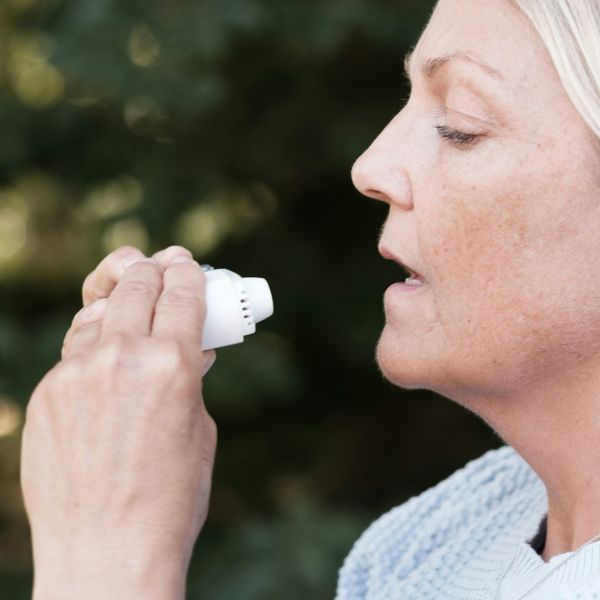
photo by CNordic Nordic, Unsplash

Understanding Asthma

Asthma is a chronic lung condition that causes inflammation and narrowing of the airways — making it harder to breathe. The hallmark of asthma is that it's reversible: with the right medicines and plan, symptoms can be controlled. Triggers vary by person — pet dander, pollen, smoke, cold air, or exercise. Most people with well-controlled asthma live a full, active life. Our team can confirm your diagnosis and build a plan that works for you.

Schedule a Consultation
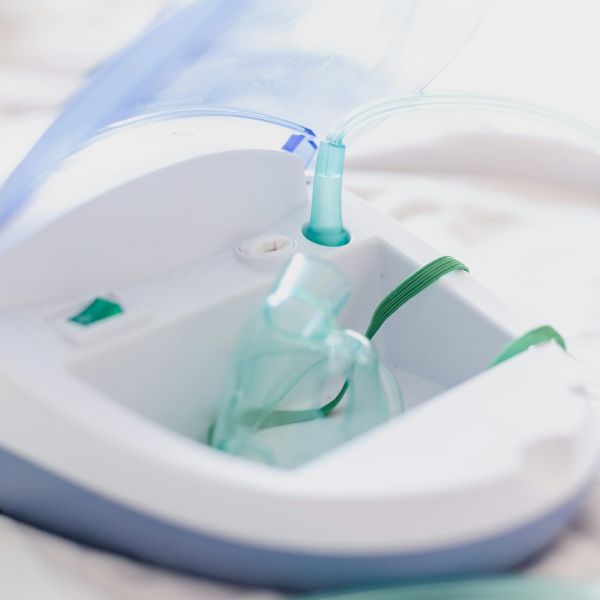
Nebulizer Photo by Sincerely Media on Unsplash

Managing COPD & Chronic Lung Disease

COPD is a progressive lung disease — including emphysema and chronic bronchitis — that makes breathing harder over time. Unlike asthma, it's not fully reversible, but the right treatment plan can reduce symptoms, slow progression, and improve daily life. Common causes include long-term tobacco exposure and environmental pollutants. You don't have to navigate COPD alone — our care team is here at every stage.

Make an Appointment
Doctor breaking a cigarette — smoking cessation visual

Breathing Better Starts With Quitting

Smoking is the leading cause of preventable lung disease, including COPD, emphysema, and lung cancer. Quitting is the single most important step you can take to protect your lungs — and our team can help. Even after years of smoking, quitting at any stage can slow lung damage and improve breathing. It's never too late. Ask your pulmonologist about tobacco cessation support available through Nashville General Hospital.

Frequently Asked Questions

What conditions are treated in the Pulmonology Clinic?

Our pulmonology team evaluates and treats a wide range of respiratory conditions, including asthma, COPD, chronic bronchitis, emphysema, pulmonary fibrosis, sleep apnea, and other lung and breathing disorders.

Do I need a referral to be seen?

Yes. Most patients need a referral from a primary care provider or specialist before scheduling a pulmonology appointment. If you're not sure whether you have a referral on file, please call our office and we can help you check.

How are appointments scheduled?

Once your referral has been received and reviewed, our team will contact you directly to schedule your first visit. If you haven't heard from us within a few business days of your referral, please call to follow up.

What should I bring to my appointment?

Please bring a valid photo ID, your insurance card, a current medication list, any prior medical records related to your lungs or breathing, and any recent imaging or pulmonary test results. Arriving 15 minutes early helps us complete any needed paperwork before your visit.

What happens during the first visit?

Your first visit includes a detailed review of your health history, a physical exam, and a conversation about your symptoms and goals. Depending on your needs, your provider may order pulmonary function testing (PFTs) or other diagnostics during the visit or at a follow-up appointment.

Will I need pulmonary function testing (PFTs)?

Many patients will undergo breathing tests to help assess how well your lungs are working. PFTs may be completed during your visit or scheduled separately, depending on availability and the type of testing needed.

What if I need oxygen or respiratory equipment?

If oxygen therapy or other respiratory equipment is medically necessary, your provider will evaluate your needs and coordinate the order with a qualified supplier. Our team will walk you through next steps and help answer your questions.

How are medications managed?

Your pulmonologist will prescribe and manage medications such as inhalers, steroids, and other respiratory therapies. Ongoing follow-up visits help us monitor how well your treatment is working and make adjustments when needed.

How do I cancel or reschedule an appointment?

Please call our office at least 24 hours in advance if you need to cancel or reschedule. Giving us advance notice allows us to offer that appointment to another patient who may need it.

How can I contact the clinic with questions?

You can reach the Pulmonology Clinic during regular business hours by phone. For urgent breathing concerns after hours, please follow the after-hours instructions provided by our office or seek emergency care. If you are experiencing severe shortness of breath, chest pain, or a life-threatening emergency, call 911 or go to the nearest emergency room.

Locations

Pulmonology NHC Main

Hours
Mon - Fri: 8:00 am-4:30 pm
Address

1818 Albion Street
Nashville, TN 37208
United States

Contact
Phone Number

Related Articles

Related Articles